
and the Reasons that Houston Homes DO NOT Sell
1) OVER PRICING - If your home is overpriced it will never sell - this is our most important free selling tip for Houston home sellers. There are too many homes in the market that are fairly priced at market value. Price is a function of many variables such as the number of buyers seeking to buy (supply and demand), the economic conditions of the country and the local area, available financing, etc. In the final analysis, your home is only worth what a buyer will pay for it. Over Pricing is the number one reason Houston homes DO NOT Sell.
2) POOR CONDITION - The condition of your home will play a significant role in what a buyer will offer. Does your home need major structural repairs such as home foundation / concrete slab repair? Virtually all Houston area homes have cracked home foundations due to Houston's clay soils and the soil movement. Does your home have plumbing leaks under the concrete slab? Houses built before 1974 usually have cast iron sewer lines and these homes have a higher probability of plumbing problems. Basically, the older your home the greater the chance your home may have a plumbing or sewer drain line problem.You must be realistic. If your home is in poor condition then you can not expect to sell for market value.
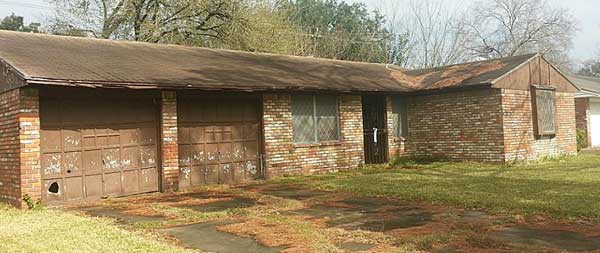
This house was in poor physical condition and was stripped to the studs before remodeling began. It also needed its foundation stabilized and leveled, a new roof, new plumbing pipes, and a new heating and cooling system. A remodeling job such as this can cost $60,000 - $80,000 plus interest on loaned money plus insurance and taxes.
3) LOCATION - It is just common sense - good locations and neighborhoods mean higher home prices while bad locations and neighborhoods mean lower home prices. If your home or real estate is in a bad location then you should focus on the other features of your home that you can influence. You can change the appearance of your home with repairs, painting, new landscaping and remodeling. All of that will help but unfortunately, you cannot change a bad location.
4) LOUSY REALTOR or GOOD REALTOR - Yes, there are plenty of lousy realtors out there. Do not ignore this free selling tip. Many lousy realtors strive to get your signature on a listing contract praying that another realtor might sell your home. The tales of lousy realtors are legendary from predicting inflated selling prices to ineffective / no marketing to just plain laziness. And once you have signed a listing contract with a lousy realtor you are stuck with him or her until the listing contract expires. In addition, in the weird world of realtor compensation, they all get paid the same, whether they know nothing or have many years of experience. To avoid the lousy realtor dilemma, interview several realtors and ask questions about their experience and marketing plan for your home. But remember, their services are priced at 6% of the total value of your home. Would you like to know how to avoid this expense? Click on this link about how We Buy Beat-up Houses - and pretty ones too.
5) INEFFECTIVE MARKETING - This results from a lousy realtor mentioned in #4 above. Today's top realtors employ multi-faceted marketing plans that should include listing tours for area agents, weekend open houses, newspaper and / or television ads, listing fliers and placements in local real estate publications.
6) MARKET CONDITIONS - Accept the market conditions, do not try to fight them. Fighting market conditions if futile and ultimately costly. Rather, try to be creative in the sale of your home or real estate. If there are more sellers than buyers then accept the fact that real estate prices will be lower. Perhaps a lease / option will make your home more attractive to potential buyers. If financing is difficult then you should consider owner financing. To learn more about Houston real estate facts, click this link.
Required Disclosures When Selling Real Estate
What you need to tell potential home buyers about your property.
When selling your home, you are required to disclose problems and defects that could affect your home's value. It is illegal to conceal known physical defects when selling your home. Sellers must make written disclosures on the condition of their property.
Disclosure Requirements cover a broad range of defects - such as a leaky roof, foundation or concrete slab cracks and movement, under concrete slab plumbing leaks, lead in the home's paint and others. In addition, in some states sellers must disclose potential hazards from floods, earthquakes, fires, environmental hazards and other problems in a Natural Hazard Disclosure Statement.
Generally, the home owner is responsible for disclosing only information within his or her personal knowledge. You are not required to hire inspectors to turn up problems you are not aware of. However,you can expect the BUYER to hire an inspector to thoroughly inspect your home for all possible defects. Once these defects are found during the home inspection, the buyer will usually demand that appropriate repairs be made before closing on the home.
Full disclosure of any known defect is the safest way to avoid potential future liability. If you are not sure about an item then you should include it in your disclosure statement. You want to avoid any claim of damages made by a buyer because of intentionally withheld information about your property.
Sellers Must Disclose Lead-Based Paint and Hazards.
If your home was built before 1978, you are required to comply with the Residential Lead-Based Paint Hazard Reduction Act of 1992 (U.S. Code §4852d), also known as Title X. Failure to comply with Title X requirements can open the door to buyer lawsuits for triple the amount of damages actually suffered.
For more information on lead hazards, prevention and disclosures, contact the National Lead Information Center at 800-424-LEAD, or check their website at www.epa.gov/lead/nlic/